

Introduction
RAM (Random Access Memory ) is a type of high-speed temporary storage used in computers and electronic devices. It stores data and instructions that are currently being processed, allowing the CPU to access information faster compared with long-term storage devices such as hard drives and SSDs. As a result, RAM plays an important role in system performance, multitasking capability, and overall user experience.
DDR (Double Data Rate) is one of the most widely used memory technologies. With the continuous growth of computing performance requirements, DDR memory has gone through several generations of development.
Among them, DDR3, DDR4, and DDR5 are three of the most commonly used standards. This article introduces the key features, applications, and major manufacturers of them, while comparing the differences between these three generations of memory technology.
The Overview of DDR3
Officially introduced in 2007, DDR3 (Double Data Rate 3) is the third generation of DDR synchronous dynamic random-access memory. Compared with the previous DDR2 generation, DDR3 improved data transfer speed, power efficiency, and memory capacity, making it a mainstream memory solution for personal computers, servers, and embedded systems from around 2008 to 2015.
By using lower operating voltage and higher data transfer rates, DDR3 helped reduce power consumption while improving overall system performance.

Key Features of DDR3
- Transfer Rate: 800 MT/s to 2133 MT/s
- Operating Voltage: Typically 1.5V, with low-voltage versions around 1.35V
- Module Size: 240-pin DIMM for desktops and 204-pin SO-DIMM for laptops
- Wide Device Compatibility
DDR3 was widely used in desktop computers, laptops, servers, and industrial equipment. - Higher Memory Capacity
DDR3 supported higher-density memory chips compared with DDR2, allowing larger memory modules. - Lower Cost
As manufacturing technology became more mature, DDR3 production costs decreased, making it an economical choice for many devices.
Applications of DDR3
Desktop Computers
DDR3 was widely used in home and office computers, providing memory resources for operating systems and software applications.
Laptop Computers
Low-voltage DDR3 versions helped laptops reduce power consumption and improve battery life.
Servers
DDR3 ECC memory was used in some servers and data processing systems to improve data reliability.
Industrial Equipment
Due to its low cost and stable performance, DDR3 is still used in some industrial control systems.
The Overview of DDR4
DDR4 (Double Data Rate 4) is the fourth generation of DDR synchronous dynamic random-access memory. It entered the market in 2014. Compared with DDR3, DDR4 introduced higher data transfer rates, lower operating voltage, and support for larger memory capacities.
After 2015, DDR4 became the mainstream memory standard for personal computers, servers, and workstations, maintaining a dominant position in the market for many years.

Key Features of DDR4
- Transfer Rate: 1600 MT/s to 3200 MT/s (standard range)
- Operating Voltage: 1.2V
- Module Size: 288-pin DIMM for desktops and 260-pin SO-DIMM for laptops
- Higher Memory Capacity Support
DDR4 supports higher-density memory modules, making it suitable for demanding applications. - Improved Stability
DDR4 introduced improved signal management technologies to enhance reliability during high-speed operation. - Server Support
DDR4 ECC memory is widely used in enterprise servers and data centers.
Applications of DDR4
Personal Computers
DDR4 has been the mainstream memory standard for desktop and laptop computers for many years. It provides sufficient performance for everyday computing tasks, including office work, web browsing, and multitasking.
Gaming Systems
Higher transfer rates and increased memory bandwidth allow DDR4 to support modern games with smoother performance, faster loading times, and improved responsiveness.
Servers and Data Centers
DDR4 ECC memory is widely deployed in enterprise servers and cloud data centers. It offers stable performance, large memory capacity, and reliable data processing for virtualization, databases, and cloud computing.
Professional Workstations
DDR4 is commonly used in workstations for video editing, 3D rendering, computer-aided design (CAD), and engineering applications, where reliable performance and large memory capacity are essential.
The Overview of DDR5
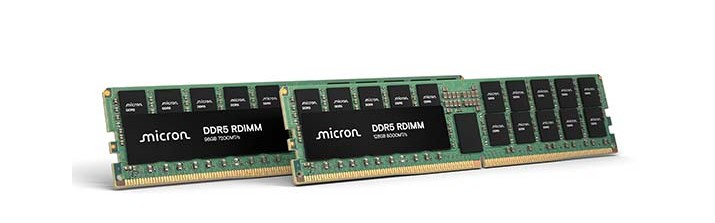
DDR5 (Double Data Rate 5) is the fifth generation of DDR synchronous dynamic random-access memory. It was officially introduced in 2020 and gradually entered the consumer market. Compared with DDR4, DDR5 improves data transfer speed, memory capacity support, power management, and overall data processing efficiency.
DDR5 is mainly used in the latest generation of personal computers, high-performance workstations, servers, and artificial intelligence computing systems. It is designed to meet modern computing requirements for higher bandwidth and larger memory capacity.
Key Features of DDR5
- Transfer Rate: Starting from 4800 MT/s and reaching higher speeds
- Operating Voltage: 1.1V
- Module Size: 288-pin DIMM for desktops and 262-pin SO-DIMM for laptops
- Higher Memory Capacity Support
DDR5 supports higher-density DRAM chips, allowing larger memory module capacities. - Integrated Power Management IC (PMIC)
DDR5 moves power management functions from the motherboard to the memory module, improving power control and stability. - Dual 32-bit Sub-channel Architecture
DDR5 divides a traditional 64-bit memory channel into two 32-bit sub-channels, improving data access efficiency.
Applications of DDR5
High-Performance Personal Computers
DDR5 is used in the latest desktop computer platforms, providing higher memory bandwidth for demanding applications, games, and multitasking workloads.
Servers and Data Centers
DDR5 supports larger memory capacities and higher data throughput, making it suitable for cloud computing and big data processing.
Artificial Intelligence and Machine Learning Systems
AI applications require fast data movement and large-scale processing. DDR5’s higher bandwidth helps improve data handling efficiency.
Professional Workstations
Applications such as video production, 3D modeling, and scientific computing can benefit from DDR5’s higher capacity and improved performance.
Major Manufacturers of DDR Memory
Although DDR3, DDR4, and DDR5 represent different generations of memory technology, the global DRAM market has long been led by a few major manufacturers. These companies continuously improve memory performance, increase production capacity, and develop new technologies to support consumer electronics, enterprise computing, and data center applications.
Samsung
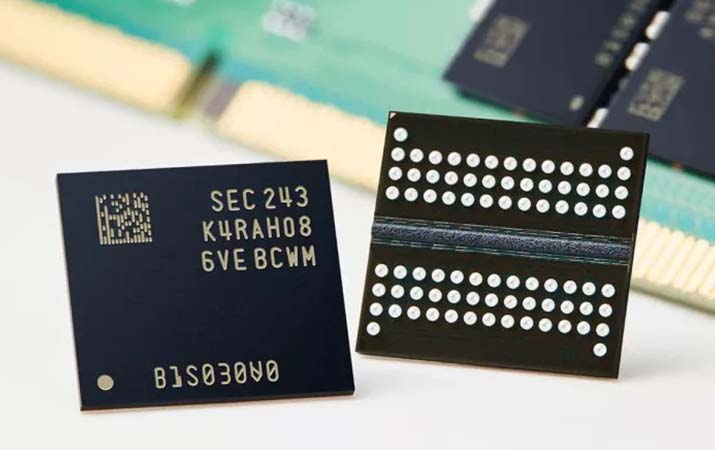
Samsung is the world's largest DRAM manufacturer and one of the pioneers in DDR memory development. The company produces DDR3, DDR4, and DDR5 memory chips and modules for desktop computers, laptops, servers, mobile devices, and high-performance computing systems.
Samsung is known for its advanced semiconductor manufacturing technology, high production capacity, and continuous investment in next-generation memory solutions.
SK Hynix
SK Hynix is one of the leading global suppliers of DRAM and NAND flash memory. Its DDR product portfolio covers DDR3, DDR4, and DDR5 memory for consumer electronics, enterprise servers, cloud computing, and AI applications.
The company focuses on high-performance memory technologies and has played an important role in the commercialization of next-generation DDR standards.
Micron Technology
Micron Technology is a leading U.S.-based memory manufacturer with decades of experience in DRAM development. The company offers DDR3, DDR4, and DDR5 memory products for personal computers, workstations, servers, networking equipment, automotive electronics, and industrial systems.
Micron is recognized for its reliable memory solutions and long-term support for enterprise and embedded applications.
Main Differences Between DDR3, DDR4, and DDR5
Each DDR generation improves memory speed, power efficiency, and capacity. However, DDR3, DDR4, and DDR5 have significant differences in their physical design and internal architecture.
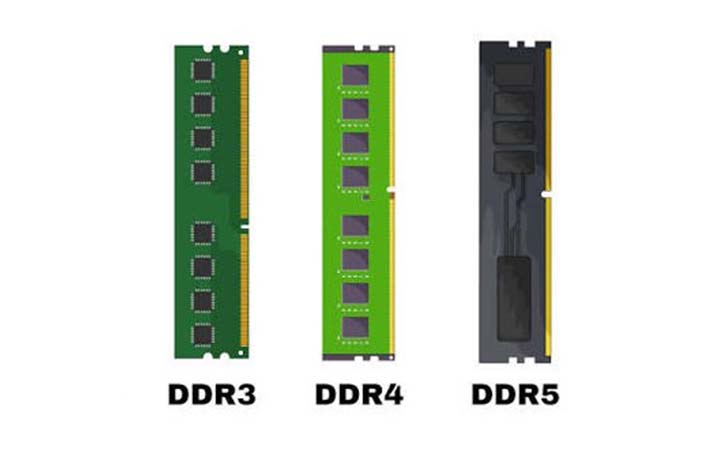
From the outside, the three generations of memory modules have similar lengths, but their key notches are located in different positions. Therefore, they cannot be installed into incompatible motherboard slots. Internally, DDR5 introduces new designs, including integrated power management and dual sub-channel architecture.
DDR3, DDR4, and DDR5 are not backward compatible. Due to differences in interface design, voltage requirements, and communication methods, DDR3 motherboards only support DDR3 memory, DDR4 platforms only support DDR4, and DDR5 requires compatible new-generation platforms.
DDR3 vs DDR4 vs DDR5 Comparison Table
|
Item |
DDR3 |
DDR4 |
DDR5 |
|
Full Name |
Double Data Rate 3 |
Double Data Rate 4 |
Double Data Rate 5 |
|
Release Date |
2007 |
2014 |
2020 |
|
Transfer Rates |
800-2133 MT/s |
1600-3200 MT/s |
4800+ MT/s |
|
Operating Voltage |
1.5V |
1.2V |
1.1V |
|
Bandwidth |
6400-17066 MB/s |
12800-25600 MB/s |
38400-57600 MB/s |
|
Max Module Capacity |
16GB |
64GB |
128GB+ |
|
Max Data Rate |
2133 MT/s |
3200 MT/s |
Higher than 4800 MT/s |
|
Max Die Density |
Lower |
Higher than DDR3 |
Higher than DDR4 |
|
Max UDIMM Size |
240-pin |
288-pin |
288-pin |
|
Upgrade Flexibility |
Low |
Medium |
High |
|
Cost |
Low |
Medium |
Higher |
|
Typical Applications |
Older PCs, industrial equipment |
PCs, servers |
High-performance PCs, AI systems, data centers |
How to Choose DDR3, DDR4, and DDR5
With the continuous development of DDR memory technology, different generations of memory are designed for different usage scenarios and performance requirements. When choosing between DDR3, DDR4, and DDR5, users should consider system compatibility, budget, application requirements, performance needs, future upgrades, and existing hardware conditions.
System Compatibility
The first factor to consider when selecting memory is whether the motherboard and processor platform support the specific DDR standard. Different DDR generations cannot be used interchangeably due to differences in interface design, voltage requirements, and communication methods.
DDR3 is mainly used in older computer platforms. If an existing system still uses a DDR3-compatible motherboard, upgrading DDR3 memory can be a cost-effective solution. However, DDR3 platforms have limited future upgrade potential because new hardware support is decreasing.
DDR4 remains widely used and supports many mature Intel and AMD platforms. For general office computers, gaming PCs, and everyday applications, DDR4 provides a stable balance between performance and compatibility.
DDR5 requires newer processors and motherboards that support the latest memory standard. Although DDR5 cannot be used with DDR4 platforms, it provides higher bandwidth and better future upgrade potential.
Cost Implications
Memory prices are affected by factors such as technology maturity, manufacturing costs, and market demand.
DDR3 memory is usually the lowest-cost option and is suitable for maintaining older systems. However, as market demand decreases, the selection of high-capacity DDR3 products becomes more limited.
DDR4 manufacturing technology is mature, making it a cost-effective choice. It provides a good balance between performance and price for most users.
DDR5 uses newer technology, so its overall cost is generally higher than DDR4. It is more suitable for users who need high-performance computing or plan to use a new platform for a longer period.
Match Memory to Your Application
Different applications require different levels of memory performance.
DDR3 is suitable for basic office tasks, simple web browsing, industrial control systems, and maintaining older computers. It can still meet the requirements of lightweight workloads.
DDR4 is suitable for office computers, gaming systems, content creation devices, and general servers. It provides sufficient performance for most daily computing tasks while maintaining reasonable cost.
DDR5 is more suitable for high-performance gaming, artificial intelligence, big data processing, video editing, and professional workstations. Its higher bandwidth provides advantages in data-intensive applications.

Performance Gains
One of the biggest differences between DDR generations is the improvement in data transfer speed and memory bandwidth.
DDR3 provided significant improvements over DDR2, but its performance is no longer sufficient for many modern high-performance applications.
DDR4 improved speed and reduced power consumption compared with DDR3, making it the mainstream choice for many years.
DDR5 provides higher bandwidth, larger capacity support, and improved architecture compared with DDR4, making it better suited for future computing requirements.
Future Upgrade Needs
Users who plan to keep their systems for a longer period should consider the future development direction of memory technology.
DDR3 is not recommended for building new systems because its upgrade path is limited. It is mainly suitable for repairing or maintaining existing devices.
DDR4 still provides practical value because of its mature technology and balanced performance. It is suitable for users who want reliable performance with lower cost.
DDR5 is a better choice for new computer builds and long-term use. As more processor platforms support DDR5, its applications will continue to expand.
Reusing Existing Components
Whether existing hardware can be reused is also an important factor when selecting memory.
If users already have a DDR3 motherboard and processor, upgrading only the memory can reduce overall costs.
For existing DDR4 systems, replacing or expanding DDR4 memory is usually more economical than upgrading the entire platform.
Moving to DDR5 usually requires replacing the motherboard and processor as well, resulting in higher overall upgrade costs.
Advantages and Disadvantages of DDR3, DDR4, and DDR5
|
Type |
Advantages |
Disadvantages |
|
DDR3 |
|
|
|
DDR4 |
|
|
|
DDR5 |
|
|
Conclusion
DDR3, DDR4, and DDR5 represent three important stages in the development of computer memory technology.
DDR3 replaced DDR2 by improving transfer speed and reducing power consumption. DDR4 further improved performance and energy efficiency, becoming the mainstream memory standard for many years. DDR5 introduces higher bandwidth, larger capacity support, and improved architecture to meet the growing demands of artificial intelligence, cloud computing, and high-performance computing.
In the future, as processor performance continues to increase and data processing requirements become more demanding, DDR5 is expected to become the mainstream memory standard. At the same time, new memory technologies will continue to focus on higher speeds, lower power consumption, and larger capacity, providing stronger data processing capabilities for next-generation computing devices.
Frequently Asked Questions
What's the Difference Between DDR3, DDR4, and DDR5 RAM?
DDR3, DDR4, and DDR5 are different generations of RAM technology, with each generation improving speed, power efficiency, and memory capacity. DDR5 offers higher bandwidth and lower power consumption than DDR4, while DDR4 provides better performance and efficiency compared with DDR3.
Is DDR5 RAM Better than DDR4 and DDR3?
Yes, DDR5 generally delivers better performance than DDR4 and DDR3 because it supports higher data transfer rates, larger capacities, and improved power management. However, the best choice depends on your computer platform, budget, and how you use your device.
Is DDR3 RAM Still Worth Using in 2026?
DDR3 can still handle basic tasks such as office work, web browsing, and older computer systems. However, it is not recommended for building new computers because modern platforms mainly support DDR4 or DDR5, offering better performance and upgrade options.
Can I Use DDR5 RAM on a DDR4 Motherboard?
No, DDR5 RAM cannot be installed on a DDR4 motherboard because the two memory standards use different slot designs, voltage requirements, and architectures. A DDR5 memory module requires a motherboard and processor platform that specifically support DDR5.
How Can I Check What Type of RAM My Motherboard Supports?
You can check your motherboard manual, manufacturer specifications, or CPU platform information to find out whether it supports DDR3, DDR4, or DDR5 memory. The physical memory slot design can also help identify the supported RAM generation.


